Glass bottles, cans, closures, and labels: The first chapters of the GuP volume are now available in the MEBAK online methods database. This allows the most important containers and their components to be tested using standardized, coordinated methods.
The quality of a beverage does not end with bottling. Bottles, cans, closures, and labels must withstand mechanical stress, internal pressure, and the conditions encountered during bottling, logistics, and retail. Anyone who inspects packaging materials upon receipt, evaluates suppliers, or resolves complaints needs testing methods that deliver comparable and traceable results.
The new volume, “Containers and Product Packaging Components,” provides precisely these methods. After a long and intensive effort, the first chapters have now been published. They cover:
- Glass bottles and cans as the most important containers in the beverage industry
- The corresponding crown caps, closures, and can lids
- Paper labels and labeling adhesive
This means that MEBAK now covers the majority of containers and their packaging components used in practice. Additional chapters are in preparation.
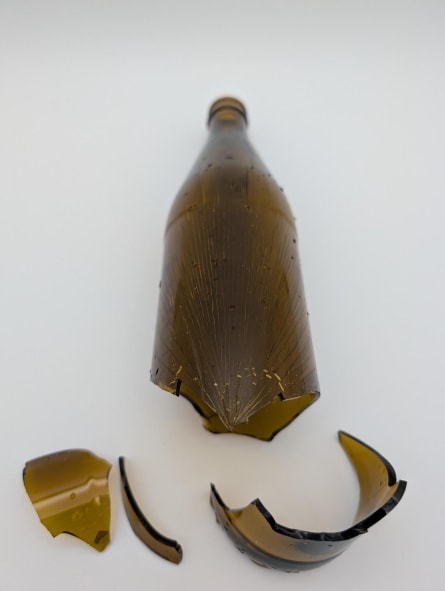
The method for determining the internal pressure resistance of glass bottles offers a first glimpse into the new volume. It is available for download as a free excerpt:
- German: Excerpt Glass Bottles – Internal Pressure Resistance
- English: Excerpt Glass Bottles – Internal Pressure Resistance
We would like to extend our special thanks to Susan Dobrick, Achim Zürcher, and Robert Jell, as well as to working group leader Florian Heukäufer (VLB Berlin Packaging Testing Center). Their thorough and meticulous work laid the foundation for these chapters. We would also like to thank all other participants who contributed to the development and coordination of the methods.
All methods in the GuP volume, like all MEBAK methods, are available in the MEBAK online methods database, always in their most current version.